Insulin resistance is a condition where the body’s cells become less responsive to the hormone insulin, which plays a vital role in regulating blood sugar levels. Surprisingly, it can develop gradually and often goes unnoticed, leading many individuals to overlook essential risk factors. By understanding insulin resistance and its subtler signs, you empower yourself with the knowledge needed to take charge of your health. Early identification of potential indicators can make a meaningful difference in your health journey and may help prevent more severe complications down the line.
In this blog post, we will discuss the various signs that may suggest insulin resistance, ranging from physical changes to fluctuations in energy and mood. We will also emphasize the importance of health measurements and proactive engagement with healthcare professionals to assess your risk. By adopting a comprehensive approach that includes awareness, education, and actionable steps, you can navigate this condition more effectively. Let’s delve into the signs and strategies for maintaining your overall wellness.
Introduction to insulin resistance and its subtle onset
Insulin resistance is a metabolic condition where the body's cells become less responsive to insulin, a hormone essential for regulating blood sugar levels. This situation often develops gradually, making it challenging to detect until significant complications arise. Many people with insulin resistance may not experience noticeable symptoms at first, which is why understanding its early signs and risk factors is crucial. By recognizing these factors, you position yourself to take proactive steps toward better health and management.
Learning about insulin resistance empowers individuals to monitor their health and make informed choices. This condition is often linked to lifestyle factors such as diet, physical inactivity, and genetics, which can contribute to its onset without any immediate symptoms. Engaging with your health care provider about your family history and lifestyle can help identify risks early and promote better health outcomes over time. Awareness is the first step toward taking control of your health journey and preventing potential complications associated with insulin resistance.
Physical signs of insulin resistance to watch for
Recognizing physical signs of insulin resistance can be a vital first step toward understanding your health. One prominent indicator is changes in abdominal weight distribution, often manifesting as increased fat accumulation around the belly. This shift not only poses a potential health risk but can also serve as an early warning sign. Additionally, changes in skin appearance, such as dark, velvety patches known as acanthosis nigricans, might occur, particularly in areas like the neck, armpits, and groin. While these physical signs can provide clues indicating possible insulin resistance, it is essential to remember that they are not definitive for a diagnosis. This complexity highlights the importance of consulting with healthcare professionals for a comprehensive evaluation.
While these physical indicators are significant, they should be viewed in conjunction with further clinical assessments to understand your overall health better. Insulin resistance often develops silently, meaning many individuals may not experience any visible symptoms until it advances. This underscores the need for awareness and monitoring for those at risk. By being more informed about these signs, you can advocate for yourself when discussing concerns with your healthcare provider. Remember, awareness is the first step toward proactive health management.
Energy and mood fluctuations as potential indicators
Fluctuations in energy levels and mood can serve as important signals in understanding your overall health. Many individuals experiencing insulin resistance report feelings of fatigue or an unexpected dip in energy, especially after meals. These fluctuations may also manifest as intense food cravings, particularly for high-carbohydrate or sugary foods. In addition, difficulties in concentration are common and can leave you feeling unfocused or mentally drained. While these symptoms can hint at insulin resistance, it’s vital to remember that they are not exclusive indicators of this condition. They can also arise from other lifestyle factors, such as stress, sleep quality, and dietary choices.
Understanding these energy and mood fluctuations in the context of your overall health journey empowers you to take necessary action. Rather than viewing these symptoms in isolation, consider how lifestyle adjustments—such as optimizing your diet, improving sleep, and managing stress—can enhance your overall well-being. Monitoring your body's signals helps you create a clearer picture of your health, paving the way for more informed discussions with healthcare professionals. Keeping a holistic view of your wellness can not only improve daily functioning but also help in recognizing when further evaluation for insulin resistance might be warranted.
Continue Learning on YouTube
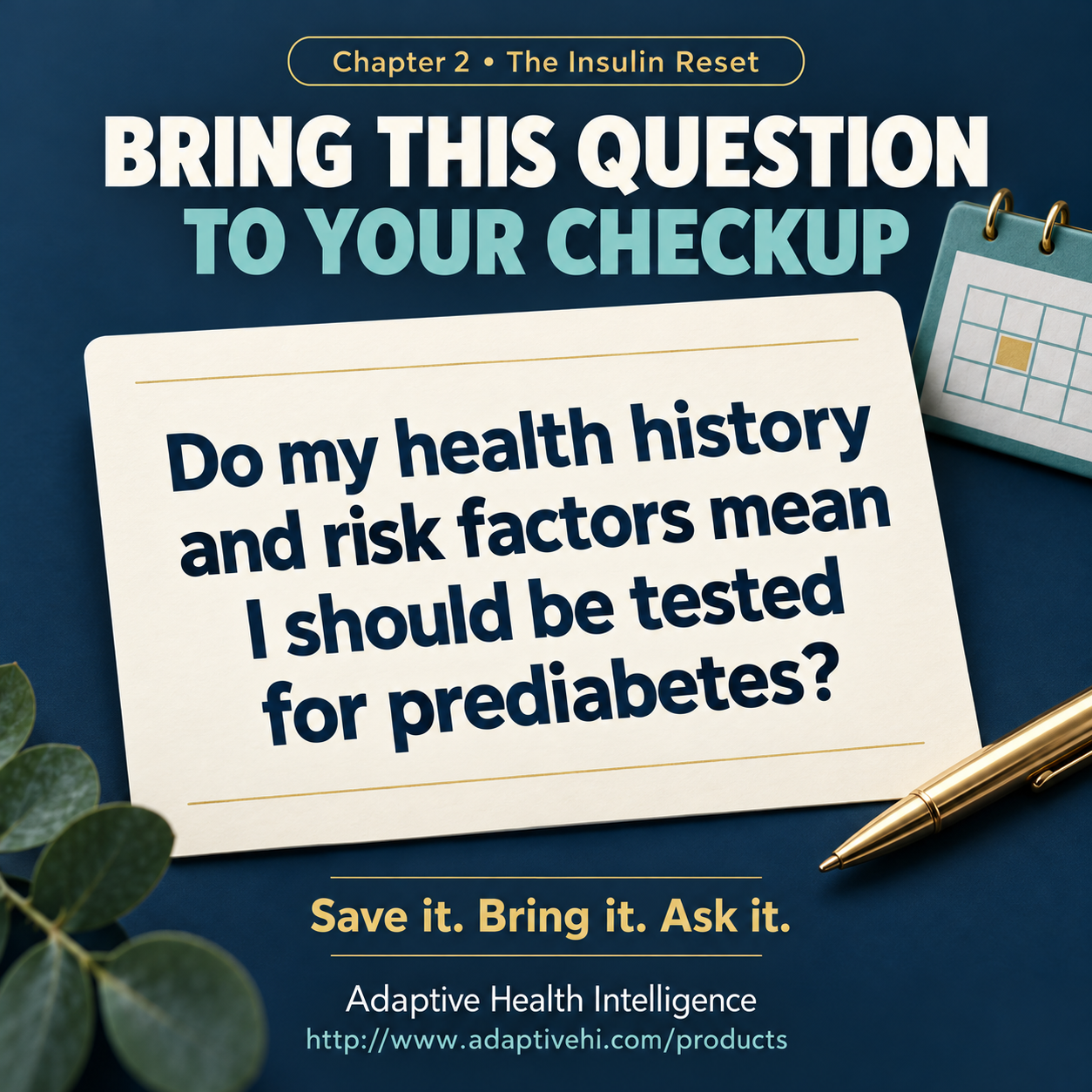
Explore our Chapter 2 educational images and learn why insulin resistance and prediabetes can develop without noticeable symptoms. Discover how to prepare a useful question for your next healthcare appointment.
View the Chapter 2 YouTube Post
Subscribe to Adaptive Health Intelligence for more research-informed health education, metabolic health awareness, and practical wellness lessons.