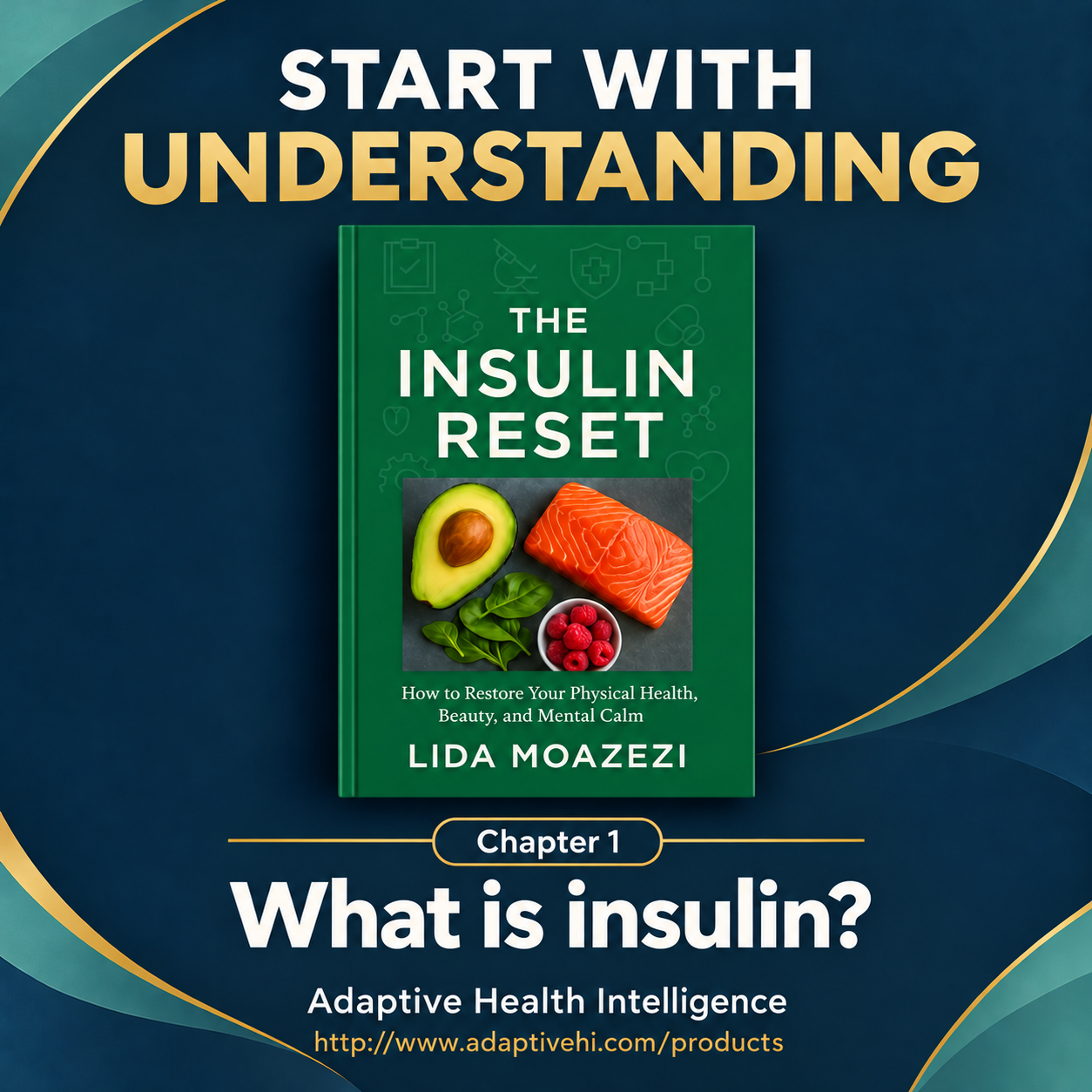
Have you ever wondered how your body turns food into energy? The answer lies in a crucial hormone called insulin, which plays a vital role in managing how your body processes glucose and stores energy. In the first chapter of my e-book, The Insulin Reset, I dive into insulin's functions and its significance in regulating metabolic health. Understanding insulin is an essential step toward achieving overall wellness, as it impacts everything from blood sugar control to energy utilization.
In this blog post, we will explore insulin's role in energy transformation and highlight the signs of insulin resistance. We'll also discuss why insulin matters beyond just blood sugar levels, emphasizing its connection to holistic health. By gaining insights into these topics, you'll be better equipped to make informed choices about your nutrition, physical activity, and overall lifestyle. Join us on this journey to enhance your understanding of insulin and its profound impact on our bodies!
Understanding the role of insulin in energy transformation
Insulin plays a crucial role in how your body converts food into energy. When you consume carbohydrate-rich foods, your digestive system breaks them down into glucose, which enters your bloodstream. As your blood glucose levels rise, the pancreas steps in, releasing insulin to help usher glucose into your cells. This process ensures that your muscles and fat tissues have the fuel they need to function effectively. Without insulin, your body would struggle to utilize this vital energy source, leading to potential imbalances in blood glucose levels.
Moreover, insulin doesn't just help in energy transfer; it also manages the storage of energy for later use. After your body has met its immediate energy needs, insulin signals your liver to store excess glucose as glycogen. This stored glycogen can be converted back into glucose when your body requires energy between meals or during physical activity. Understanding this fundamental process highlights why insulin is essential for not only immediate energy production but also long-term energy management in our daily lives.
Recognizing the signs of insulin resistance
Insulin resistance can be challenging to detect because it often develops without any noticeable symptoms. Many people go about their daily lives unaware that their body's cells are becoming less responsive to insulin, leading to elevated blood glucose levels over time. Some potential signs to watch for include unexplained fatigue, increase in hunger, or difficulty concentrating, all of which can impact daily activities. It's important to be mindful of how you feel and consider these subtle cues as potential indicators of underlying metabolic issues.
Taking proactive steps toward assessing your risk for insulin resistance is essential for maintaining optimal health. Regular check-ups with healthcare professionals can provide valuable insights into your blood glucose levels, and they can perform tests to determine whether you are at risk for prediabetes or type 2 diabetes. Ultimately, being informed and vigilant about your body's signals empowers you to make better lifestyle choices that can improve your overall metabolic health and prevent potential complications.
Embracing the importance of insulin for holistic health
Understanding insulin's role goes beyond just managing blood sugar; it plays a pivotal part in overall metabolic health. Insulin affects how your body stores energy, influences fat metabolism, and even impacts your long-term wellness. By managing insulin levels, you can improve your energy balance, support weight management, and enhance your overall health. It acts as a key regulator that helps orchestrate various metabolic processes, and a balanced insulin response is critical for maintaining vitality and preventing chronic diseases.
Moreover, your lifestyle choices significantly impact insulin function. Nutrition, physical activity, stress levels, and sleep patterns all interact with insulin's actions. By adopting a holistic approach to health that includes mindful eating, regular exercise, and stress management, you can create an environment that promotes insulin sensitivity. This not only helps in maintaining stable energy levels throughout the day but also fosters better emotional well-being. Embracing the importance of insulin in your daily routine empowers you to make informed choices that support not just metabolic health but your overall quality of life.
Continue Learning on YouTube
Explore our Chapter 1 educational images and join the discussion on the Adaptive Health Intelligence YouTube channel.
View the Chapter 1 YouTube Post
Subscribe to Adaptive Health Intelligence for additional research-informed wellness education and practical lifestyle lessons.